

2026-03-04
In recent years, global geopolitical conflicts have intensified, trade protectionism has risen, and coupled with the impact of domestic industrial restructuring and the "long-tail effects" of the pandemic, China has faced significant downward pressure. Insufficient domestic demand, difficult business operations, and pressure on employment and income growth for the public have become the main issues. In 2025, China's CPI continued to lack upward momentum, showing 0% year-on-year growth; the PPI fell 2.6% year-on-year, remaining in contraction for the 39th consecutive month, and the economy faced severe deflationary pressure. Expanding consumption and boosting domestic demand have become the top priority. During this year's Two Sessions, NPC Deputy, Vice Chairman of the All-China Federation of Industry and Commerce, and Chairman of the Board of Tongwei Group, Liu Hanyuan, put forward relevant proposals on optimizing tax policies for PV power generation land use.
"As China's strategic emerging industry and a main force driving energy transition, the PV industry also faces the aforementioned problems." Deputy Liu Hanyuan believes that against the backdrop of expanding consumption and boosting domestic demand becoming the top priority, tax authorities should adopt larger-scale tax and fee reduction measures to stimulate market vitality, relieve enterprise pressure through more targeted support policies, give enterprises breathing room, support economic construction, and serve the national interest.

The tax policies for PV land use have long remained unclear, with enforcement standards in an ambiguous state. According to calculations, the burden rate of the "two taxes" (deed tax and urban land use tax) on PV power project land ("two taxes" amount / total project revenue) reaches 40–45% when calculated on the full leased area; 25–30% when calculated on the PV array area; and 10–15% when calculated on the projected shadow area. The above burden rates do not include tax late fees retroactively imposed by some local governments. If taxes are collected according to the above standards, PV projects will be unable to bear a tax burden far exceeding their actual capacity. This policy shift from "encouragement and support" to "strict collection and administration" has not only affected policy continuity and stability but also undermined government credibility and shaken enterprise confidence in long-term investment and layout. Based on the above analysis, Deputy Liu Hanyuan puts forward the following proposals:
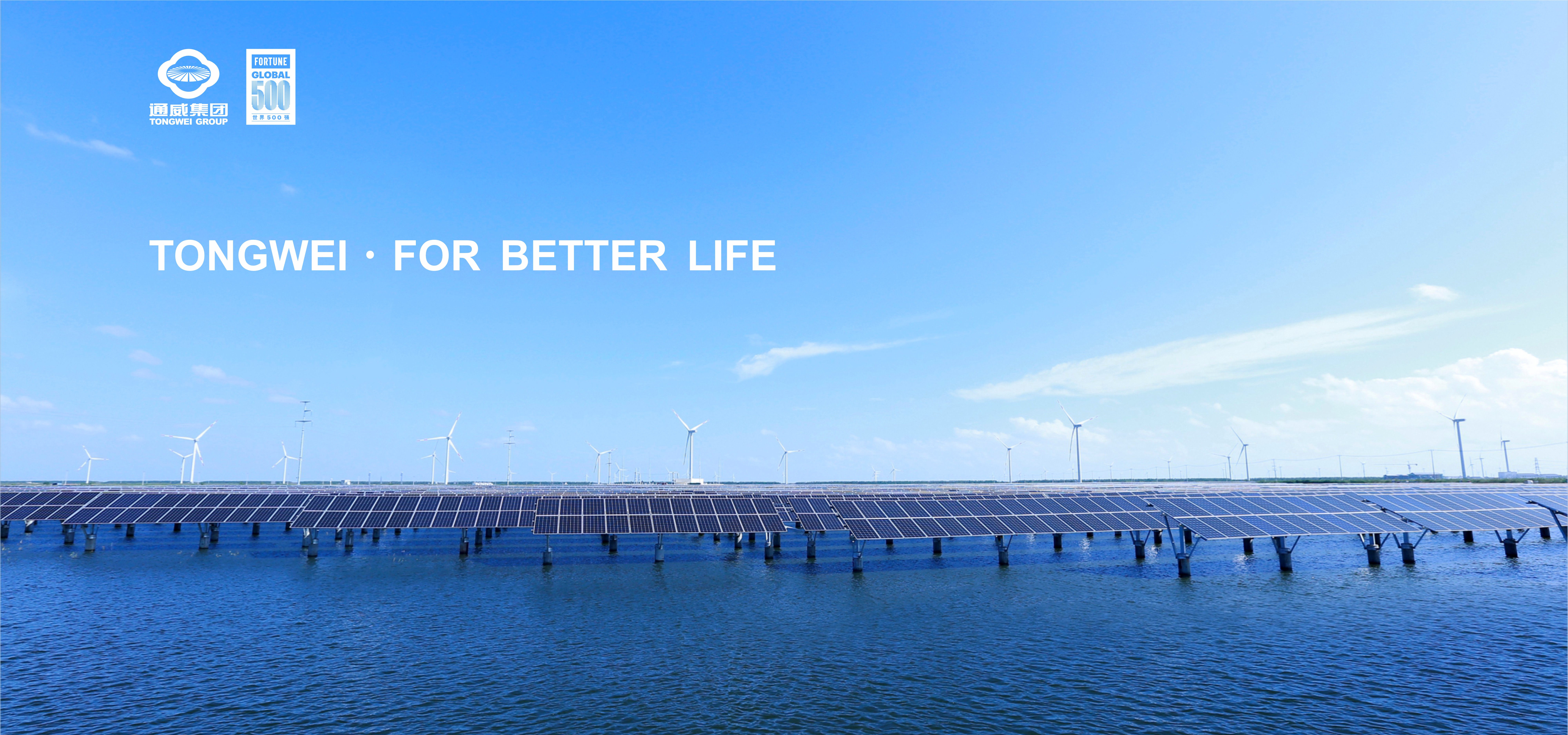
First, it is proposed to optimize land tax policies, clarify collection standards as soon as possible, and improve collection procedures. It is recommended that relevant national ministries and commissions urgently study and clarify the key enforcement standards for the occupied area and duration of farmland occupation tax and urban land use tax involved in PV power stations, clarify and streamline the information exchange mechanism between natural resources, agriculture and rural affairs departments and tax authorities, improve collection procedures, and enhance the certainty of land use and tax policies. For PV composite projects such as "agrivoltaics" and "fishery-solar integration," it is recommended that taxes be levied based on the pile foundation area.
Second, it is proposed to explicitly confirm that PV power generation projects will continue to enjoy the "three-year exemption and three-year halving" preferential policy. The change of PV power projects from government "approval system" to "filing system" stems from the optimization of administrative approval methods brought about by the upgrade of governance philosophy. However, this does not change their nature as public infrastructure, nor does it diminish their important role in driving the energy revolution and achieving "dual carbon" goals. They should rightly continue to enjoy this preferential policy to safeguard the legitimate rights and interests of enterprises.