

2026-01-24


Walking into the greenhouse in the morning, sunlight shines on the plants
Countless cherry tomatoes have already grown on the branches
For José, this is a familiar harvest moment
He has witnessed
such growth processes here countless times

This is Almería, Spain
With low rainfall and arid conditions, it boasts one of Europe's highest annual sunshine durations
The stable and intense sunlight
enables agricultural production to operate at high frequency year-round
This 80,000-square-meter plantation is entirely dedicated to tomato cultivation
For eleven months of the year, production is ongoing
This means the greenhouse hardly ever "shuts down"


The entire cultivation process employs trellis farming
allowing plants to continuously grow and fruit within limited space
Irrigation, fertilization, and climate control are fully achieved through automated systems
Sensors are constantly activated based on the plants' condition
Temperature, humidity, mist cooling—
every aspect requires electricity
If there’s a power shortage, it’s not merely an inconvenience
the entire system grinds will be disrupted


In the past, energy was a major hassle
For a long time
this area was not connected to the public grid
All electricity came from diesel generators
Maintenance, breakdowns, noise, and costs
became part of daily operations
Especially during the day, when crop demand is highest
energy supply remained unreliable
"We didn't want to change our current farming methods,
we just hoped that during the most critical times,
the power supply wouldn't fail."

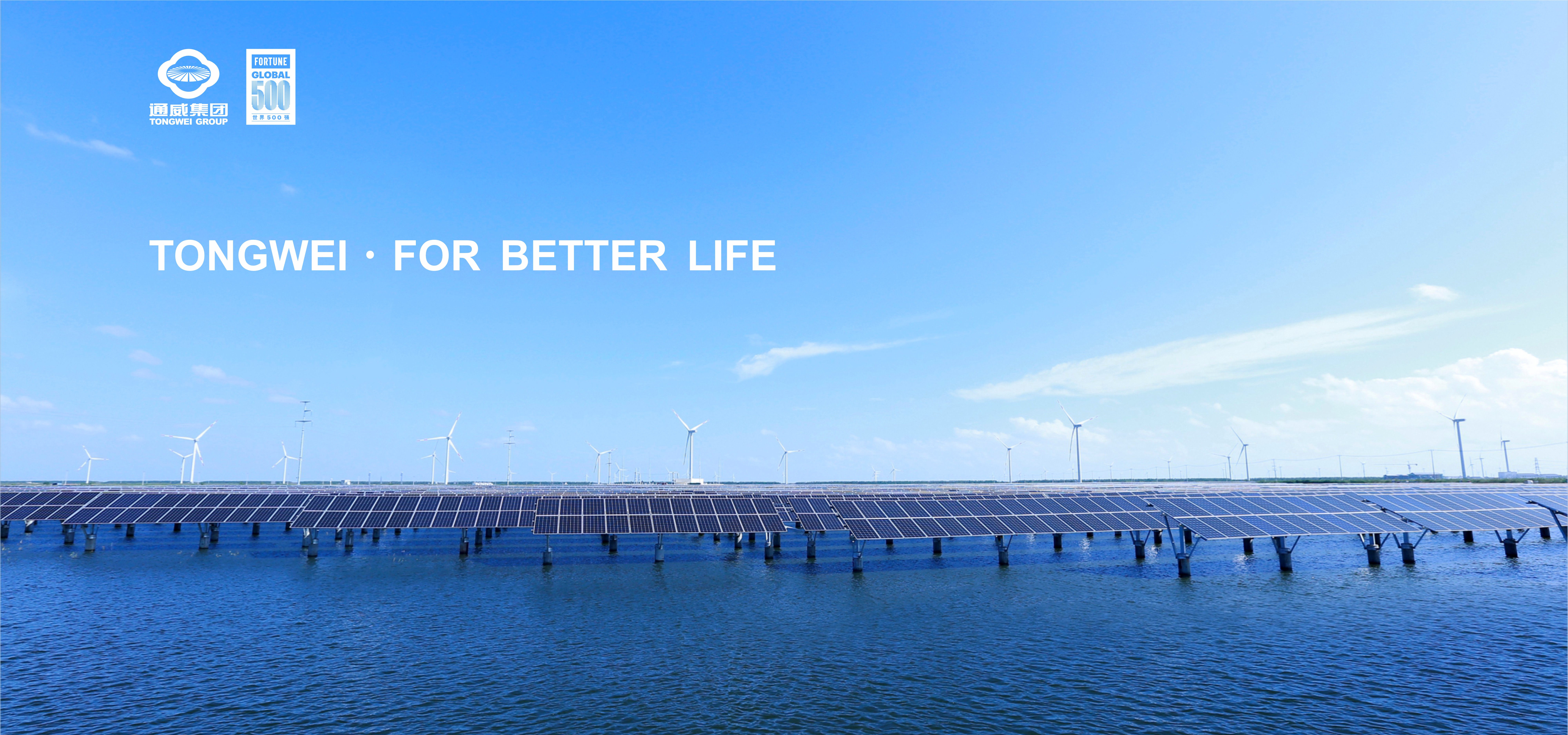
After thoroughly assessing electricity needs, the plantation installed a PV system
104 Tongwei modules, with a total installed capacity of approximately 54 kW
bring more power generation
within the limited roof area
Power generation begins in the morning, perfectly aligning with daytime production rhythms
It precisely covers irrigation, fertilization
and powers those intervals most dependent on energy
Sunlight truly became part of the system's operation
Energy turned into something that "appears on schedule"
The change is also reflected in costs

Before installing Tongwei modules
diesel generators were the sole power source
Fuel consumption, maintenance, and downtime due to failures
have long occupied a portion of operational costs
Now, all the farm's electricity
is entirely solar-powered and diesel is no longer used
with related expenses ≈0
Costs are reduced and uncertainty is eliminated
The rhythm of production returns to being dictated by sunlight and the crops themselves

José glances up toward the outside of the greenhouse
The modules lie quietly spread under the sun
Light is captured and electricity is fed into the system
Water, temperature, and humidity
continuously flow to where tomatoes need them for growth
Tomatoes continue bearing fruit and ripening at their own pace
For this plantation, what Tongwei modules accomplish
is ensuring sunlight persistently arrives and gets transported
to every single growing tomato

