

2026-08-25

Global energy transformation has entered an accelerated phase
Green and low-carbon development has become an irreversible trend
Pakistan, a huge market with a population of over 240 million
Is advancing its energy revolution at an unprecedented speed
It is one of the world's fastest-growing markets for photovoltaic demand
One of the world's largest importers of photovoltaic modules
And one of the few global testbeds that have successfully implemented
a "bottom-up" transformation paradigm
It is fostering full-chain market opportunities
spanning module supply to energy storage supporting systems
01
Continuously Facilitating Energy Transformation
One of the World's Largest Importers of Photovoltaic Modules

In recent years, Pakistan has prioritized green development and accelerated the transformation of its energy structure, now ranking among the world's largest importers of photovoltaic modules. Overlooking cities like Lahore and Islamabad, blue photovoltaic modules are densely installed on the rooftops of buildings of varying heights. An increasing number of Pakistani households are choosing to install rooftop photovoltaic systems, a trend that is gaining popularity not only in urban areas but also in rural regions.
As of June 2025, the growth rate of solar power generation in Pakistan has exceeded three times the global average.
2025 marked a landmark moment in Pakistan's energy history: during the peak summer electricity consumption period, distributed solar systems generated 33 GWh of electricity, surpassing the national grid's output of 28-30 GWh for the first time. 77% of electricity users primarily rely on their own solar installations to meet daily power needs.
Pakistan's status in the global market has gradually risen, attracting growing investment interest from relevant enterprises, and international cooperation models have become a key approach for Pakistan to advance its energy transformation.
02
China-Pakistan Energy Cooperation as a Model
Green Technologies Underpin Transformation Confidence

According to data from Ember, a global clean energy transformation think tank, Pakistan imported 17 GW of photovoltaic modules in 2024, more than doubling the figure from the previous year; in the first 9 months of 2025, imports reached 16 GW, of which over 95% of the imported photovoltaic modules came from China.
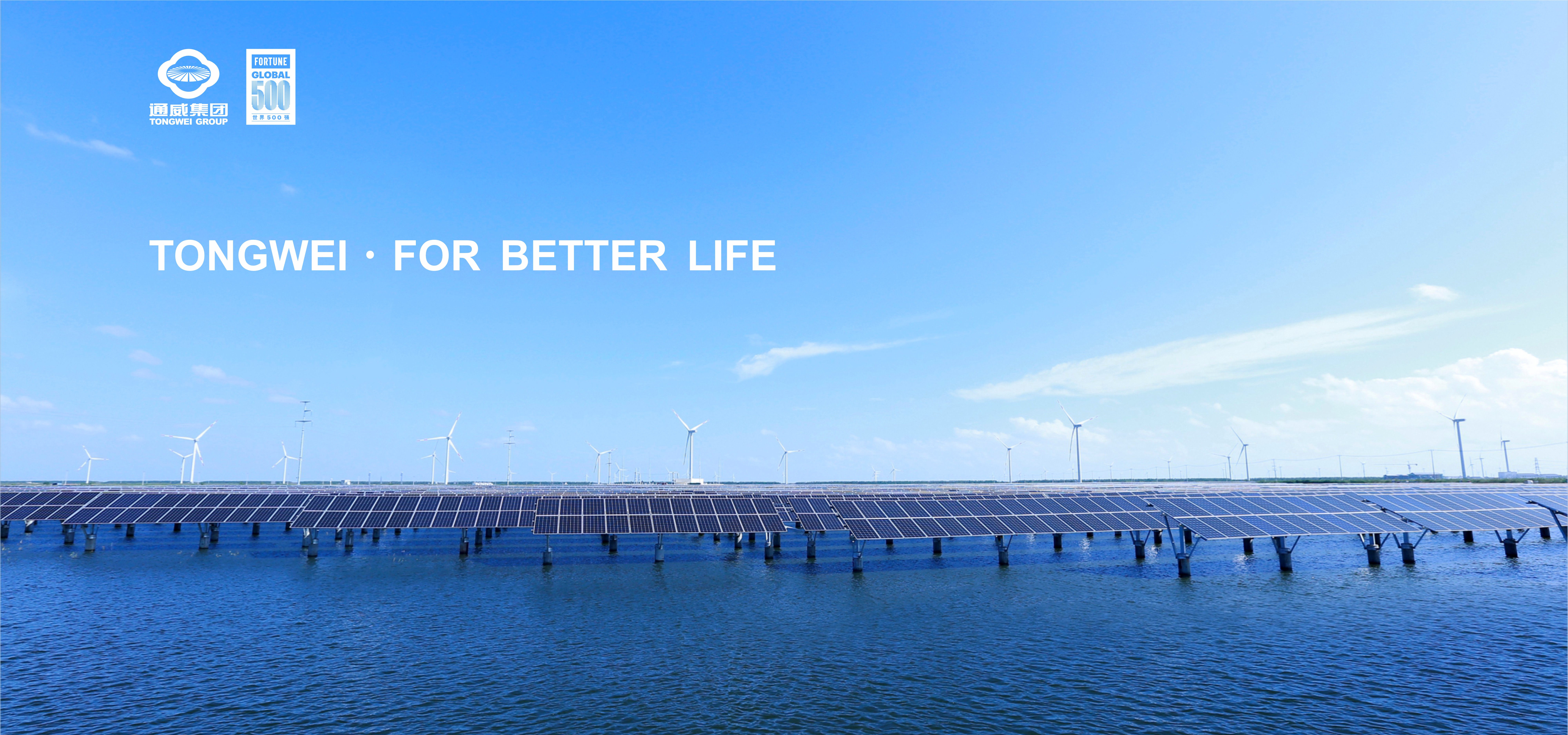
As a country participating in the Belt and Road Initiative, Pakistan has established a cross-border carbon sink trading platform relying on the China-Pakistan Economic Corridor, attracting leading photovoltaic enterprises including China Juhang Group, Tongwei and Huasheng to drive the development of local new energy industries.
Pakistan demands affordable, stable and clean energy upgrading solutions, while Chinese photovoltaic enterprises boast comprehensive advantages such as large-scale manufacturing and industrial chain collaboration.
03
Supported by Policy Dividends
The Golden Window of the Energy Transformation Market

As one of the world's fastest-growing markets for photovoltaic demand, Pakistan is accelerating its energy transformation, with clear demand in sectors such as lithium battery manufacturing, energy storage systems and charging piles, and policy support continues to intensify. Domestic new energy equipment manufacturers and upstream and downstream lithium battery enterprises can leverage the foundation of China-Pakistan industrial cooperation to connect with local enterprises for technical cooperation, local assembly or capacity localization, and share the market dividends of Pakistan's import substitution and green industry development.
At present, Pakistan is advancing its national industrial policy, national tariff policy and comprehensive regulatory reform, continuously reducing business operation costs, simplifying approval procedures, and building a transparent and predictable investment-friendly environment, creating unprecedented institutional space for new energy enterprises.
